

Exchange rates change every day. The amount of naira you get for a dollar today can be different tomorrow, and the same is true for pounds, euros, and Canadian dollars. You don't need to predict the market to know what a change means for your money. What matters is the currency you have, the currency you need, and when you need to convert.
In short
- An exchange rate is the price of one currency in another.
- Rates move as demand for each currency changes. Interest rates, inflation, the economy, trade, commodity prices, and what investors expect next all affect that demand.
- A higher rate isn't automatically better. It depends on which currency you have and which one you need.
Why do exchange rates change?
An exchange rate is the price of one currency in another. At $1 = ₦1,400, one dollar buys ₦1,400. That price isn't fixed. It changes as demand for each currency changes.
- Interest rates: When the interest rate on assets in one currency is higher than in another, investors buy more of that currency, and its value rises. Investors also act on what they expect a central bank to decide, so a currency can move before the decision is announced.
- Inflation: A currency tends to weaken when inflation in its economy remains higher than in others. Investors also watch how the central bank responds.
- Economic conditions: Growth, employment, government policy, and political stability all shape what investors expect from an economy, and that shapes demand for its currency.
- Trade and commodity prices: A country that depends on one big export earns less foreign currency when the price of that export falls, and its own currency often weakens. The IMF saw this across oil-exporting countries when the oil price fell in 2014, though the link between the oil price and the naira isn't automatic.
- Expectations: Investors act on what they expect as well as on what has happened. When they expect an interest-rate decision or a policy change, they buy or sell before it happens. That's why a rate sometimes moves before the news that explains it.
No single factor sets a rate. Investors react to all of these at once.
What makes one currency stronger or weaker?
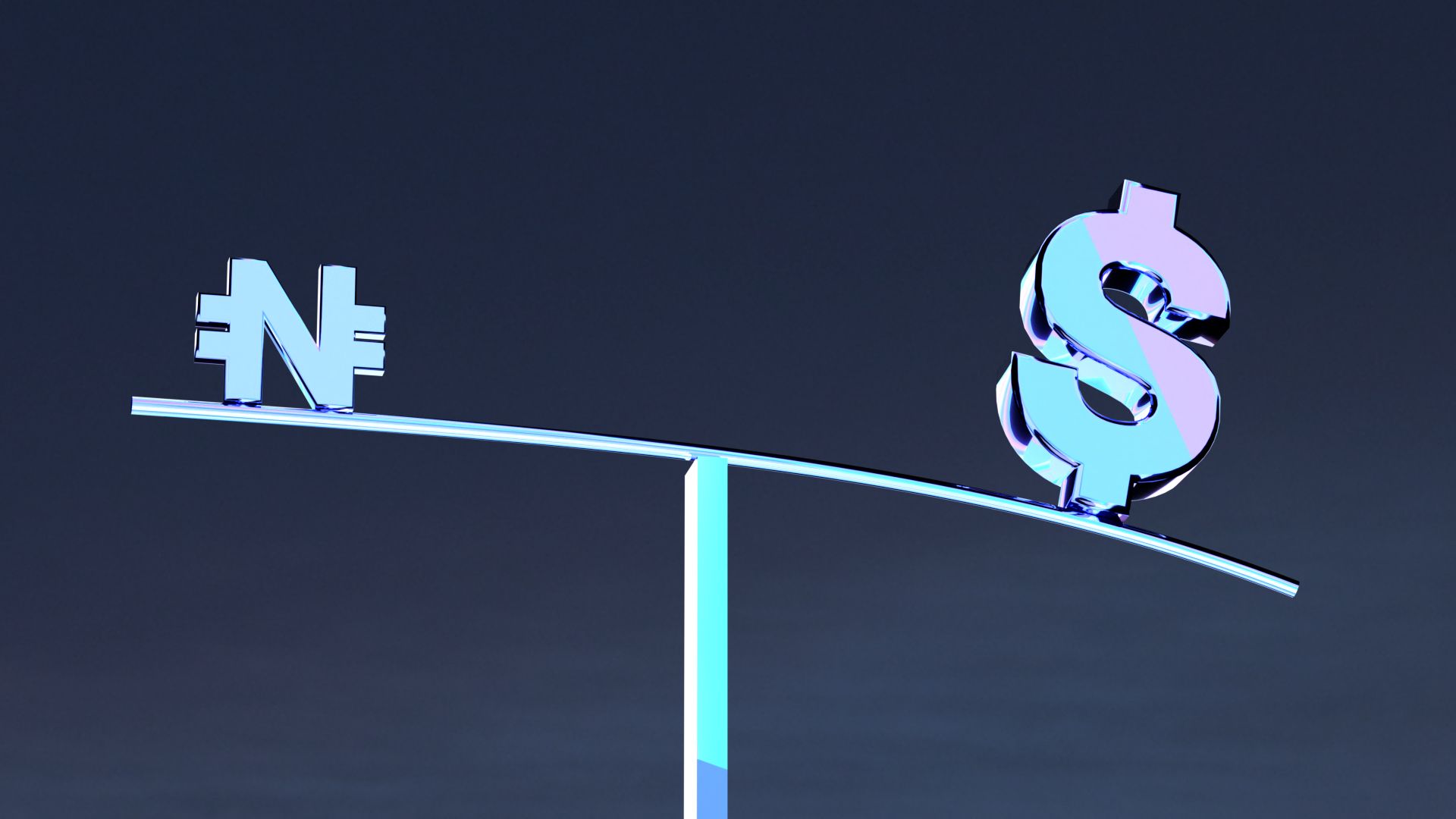
'Stronger' and 'weaker' only mean something for a currency pair, which is two currencies priced together, such as USD/NGN. When USD/NGN moves from $1 = ₦1,400 to $1 = ₦1,450, the dollar has strengthened compared with the naira. A currency that rises compared with another has appreciated; a currency that falls has depreciated. A person converting $1,000 to naira now gets ₦1,450,000 instead of ₦1,400,000. A person buying $1,000 with naira now pays ₦1,450,000 instead of ₦1,400,000. The same move is good for one of them and bad for the other.
What a changing rate means when you move money
A ₦50 move in the rate on a $1,000 transfer is ₦50,000 more or less for your recipient. That difference matters when you're paying a bill or paying someone for work.
The rate is also not the only cost. Some providers charge a transfer fee, and some take a spread, which means they give you a rate slightly worse than the market rate and keep the difference. The number to check is how much of your transfer your recipient receives after the rate and any fees.
When should you convert?
A rate change doesn't mean you have to convert now. The right time depends on what the money is for.
- Payment due today: Convert what you need and make the payment. A better rate tomorrow doesn't help with a deadline today.
- Dollar payment due later: Keep the dollars until you need them. Converting to naira and then buying dollars again means paying for the conversion twice.
- No payment due yet: You can choose when to convert. The choice is about when you need the other currency, and you can make it without predicting the market.
A Nigerian freelancer receives $2,000 from a client. They could convert all of it to naira straight away. But they also have a $100 software subscription due next month and $300 to pay a contractor. They can keep $400 for those two dollar payments and convert the other $1,600 to naira. Receiving money and converting money are two separate decisions.
What to check before you convert or send
- The rate on this transaction: Rates move, so check the rate on the transfer you're about to make.
- What your recipient receives: The amount after conversion and fees.
- Fees: A good rate with a separate transfer fee can cost you more than a slightly worse rate without one.
Keeping more than one currency with Juicyway
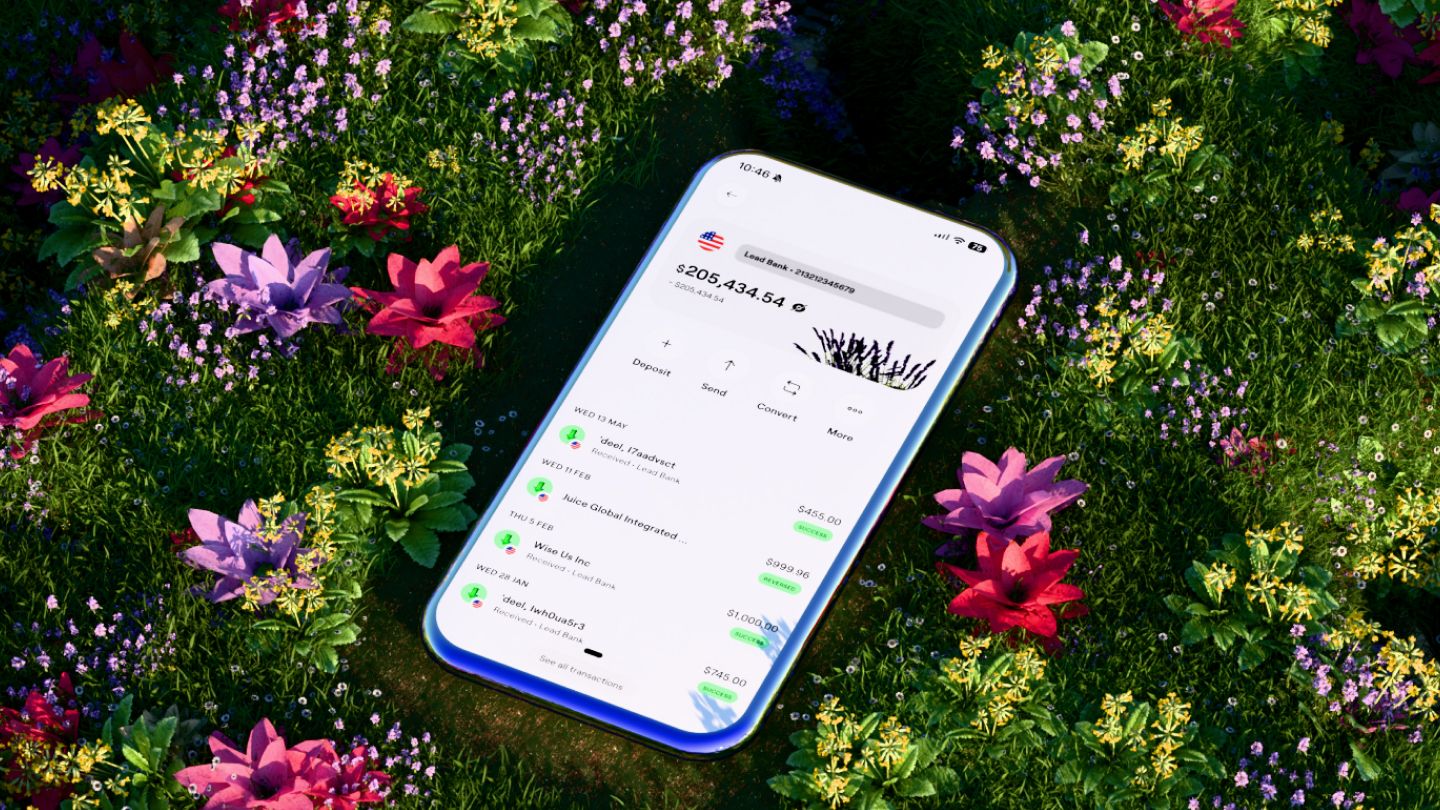
In your Juicyway app, naira, dollars, pounds, euros, and Canadian dollars are separate balances, so you can keep money in the currency you received and convert it when you want to. The app shows the rate before you confirm a swap.
Dollars you receive today don't have to become naira today. You can keep them, use them for a dollar payment, or send them to someone who can receive dollars.
Key terms
Exchange rate: The price of one currency in another.
Currency pair: Two currencies priced together, such as USD/NGN or CAD/USD.
Appreciation: A rise in one currency's value compared with another.
Depreciation: A fall in one currency's value compared with another.
Spread: The difference between the market rate for a currency pair and the rate a provider gives you when you exchange.
Frequently asked questions
What causes exchange rates to change?
Interest rates, inflation, the state of the economy, trade, commodity prices, investment coming in and going out, and what investors expect next all change demand for a currency, and demand sets the price.
Is it better for the exchange rate to be high or low?
It depends on the direction of your transaction. A higher USD/NGN rate gives a dollar seller more naira per dollar and costs a dollar buyer more naira per dollar.
Do exchange rates change every day?
Yes. Rates move through the day as investors respond to economic data, central bank decisions, and changing expectations. The Central Bank of Nigeria publishes daily rates on its website.
Can I keep foreign currency without converting it straight away?
Yes, where your account supports it. Keeping money in the currency you received makes sense when you have a payment coming in that same currency.
Should I wait for a better rate?
Convert money for a payment due soon, because the rate can move the wrong way before the deadline. Money you don't need yet can wait, but nobody can say which way the rate will move.