



In short
- Cross-border payments cost more and take longer than local ones. They pass through chains of correspondent banks on the SWIFT (Society for Worldwide Interbank Financial Telecommunication) network, and each bank charges a fee.
- Businesses often manage money across borders by stitching together domiciliary accounts, payment gateways, and spreadsheets.
- Choosing a provider means checking which currencies it supports, how quickly transfers arrive, whether its pricing is clear, and how well it's regulated, not how well-known it is.
- With a Juicyway business account, you get your own USD, CAD, GBP, and EUR accounts, plus crypto, so you can pay suppliers and get paid from one app.
- Managing cross-border payments well means planning your currency conversions, tracking bank cutoff times, and keeping your compliance paperwork up to date.
Why cross-border payments are still difficult for businesses
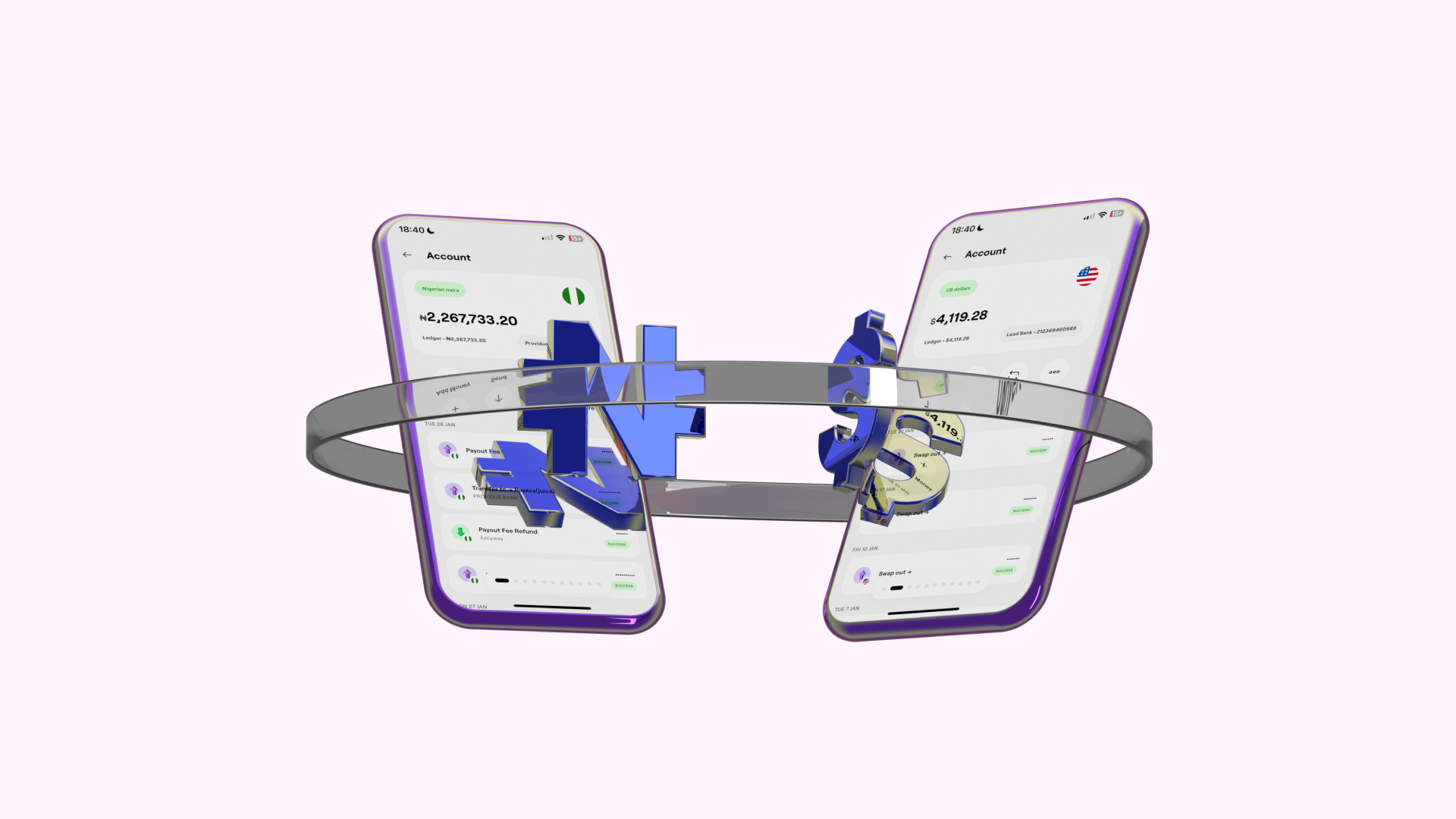
Moving money within one country is simple because your bank and the recipient's bank use the same payment system. Cross-border payments are different. Between countries, a payment passes through different banking systems, currencies, time zones, and rules before it reaches the recipient.
Most international bank transfers rely on the SWIFT network. SWIFT sends payment instructions between banks, but it doesn't move the money itself. When the sending and receiving banks aren't directly connected, the payment passes through one or more correspondent banks. Each one adds time and charges a fee before the money arrives.
Currency conversion is another cost. Instead of charging a separate foreign exchange (FX) fee, most banks build a margin into the rate they give you. So you pay more than you expected.
Settlement also takes time. International transfers can take one to five business days. They take longer when the payment passes through extra banks, or over weekends and public holidays, when banks pause. When a transfer is delayed, you pay suppliers late and your cash is stuck in transit.
Compliance checks add another step. Banks screen international payments to meet anti-money laundering (AML) and counter-terrorist financing (CFT) rules. If information or paperwork is missing, the bank may pause your payment for a manual review. In Nigeria, providers must also follow Central Bank of Nigeria (CBN) rules, including Ultimate Beneficial Ownership (UBO) checks, which confirm who really owns and controls the business.
How businesses manage cross-border payments today
Without a single system, most businesses manage cross-border payments manually, across separate tools.
To get paid by overseas clients, Nigerian businesses often open domiciliary accounts in USD, GBP, or EUR. But clients have to pay high SWIFT fees to send money in, so they avoid small transfers. Others use international payment gateways, so their money stays offshore. Bringing it back to Nigeria means a second transfer, with more conversion fees and delays.
Paying suppliers abroad is different. Businesses often buy foreign currency through their bank, or use company cards with high fees abroad. Local bank cutoff times differ from international ones, so it takes time to confirm a supplier got paid before they ship.
Juggling balances in different currencies across scattered accounts means building complex spreadsheets to reconcile them. If the exchange rate moves between the day you invoice and the day the transfer settles, someone has to calculate and record the gain or loss. Reconciling across separate bank portals, gateways, and spreadsheets wastes time and makes errors more likely.
Choosing the right cross-border payment provider
Not all providers are the same. The right one depends on how you get paid, pay suppliers, and handle different currencies. When you compare them, look at:
- Multi-currency support: A good provider lets you keep, send, and receive the currencies you actually trade in, without converting everything to local currency the moment a payment arrives.
- Transparent pricing: You should see the full transfer fee and the exact exchange rate before you approve a payment. Avoid platforms that advertise $0 fees but hide a big markup in the exchange rate.
- Settlement speed: Look for providers that use local payment rails in the countries you send to. Transfers settle in minutes or hours, not days.
- Regulatory compliance: Check that the provider is licensed in the countries you trade in. Look for Financial Conduct Authority (FCA) authorisation in the UK, or money transmitter licences in North America and Nigeria. A properly licensed provider protects your money and is less likely to flag your normal transfers.
- Controls and visibility: You should be able to manage who has access, approval steps, transaction history, and reports in one place. A link to your accounting software means less manual reconciliation and a clearer view of your finances.
Managing international payments with a Juicyway business account
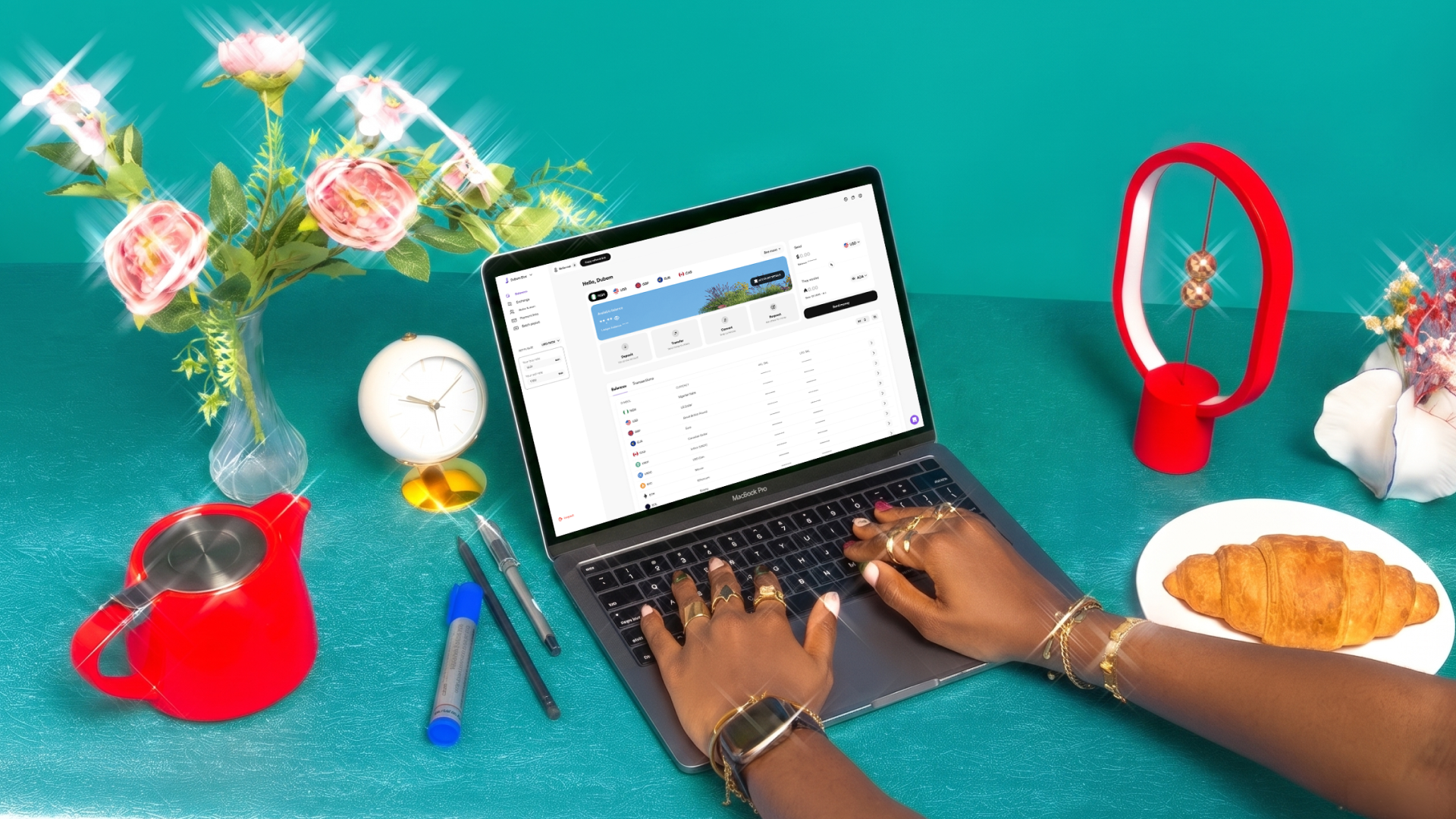
With a Juicyway business account, you handle the money you collect, the payments you make, and your currency balances in one app.
Juicyway gives you USD, CAD, GBP, and EUR accounts in your business's name, so overseas clients can pay you directly. Where local payment networks are available, clients can pay you through them instead of international wire transfers, so you avoid intermediary fees and delays.
When you do need an international wire, you can still make and receive SWIFT payments from the app. Traditional banks hide a 2% to 4% FX markup in the rate. Juicyway shows you the fee and the exchange rate before you approve the transfer, so you can see what a payment really costs.
Juicyway also supports crypto for faster settlement. You can keep, receive, and convert it, including stablecoins like USDT and USDC, next to your main currencies, all in one app.
Best practices for managing cross-border payments
Software handles the technical side, but protecting your margins takes good habits.
- Plan your currency conversions: Don't convert large sums at the last minute, just before a supplier invoice is due. Watch exchange rate trends and keep balances in the currencies you expect to spend over the next quarter.
- Track settlement cutoff times: Different payment networks close at different times. Make payments early in the week so they don't get stuck in weekend queues.
- Keep compliance records current: Keep an up-to-date folder of invoices, contracts, and UBO documents for each supplier. If your provider's compliance team asks for a document, send it straight away to avoid a frozen payment.
- Review transaction costs monthly: Go through your cross-border spending every month. Add up what you paid in flat fees and what you lost in the exchange rate, then compare the total with your provider's published rates to make sure you're getting a better deal as your volume grows.
Key terms
- Society for Worldwide Interbank Financial Telecommunication (SWIFT): A global messaging network that banks use to send payment instructions across borders.
- Correspondent bank: A bank that handles transactions on behalf of another bank in a different country, often charging a fee on each transfer that passes through it.
- Domiciliary account: A Nigerian bank account that lets you receive, keep, and send foreign currencies such as USD, GBP, or EUR.
- Foreign exchange (FX) margin: The gap between the real mid-market rate and the rate a bank actually gives you, taken as a percentage.
- Ultimate Beneficial Ownership (UBO): The real person who ultimately owns or controls a company. Regulators require businesses to identify them for anti-money-laundering checks.
- Local payment rails: A country's own electronic transfer systems, which settle payments faster because they don't rely on the international correspondent-bank chain.
Frequently asked questions
How do cross-border payments work?
A cross-border payment is a transfer of money between banks in different countries. Banks pass it through messaging networks like SWIFT, which rely on chains of correspondent banks. Payment providers take a shorter route, connecting directly to local systems in both countries.
Why are cross-border payments expensive?
International transfers cost more for two reasons. Correspondent banks charge a fee at each step of the SWIFT chain, and traditional banks add a hidden markup to the exchange rate when they convert your money.
How long do cross-border payments take?
A standard international wire takes one to five business days to clear. Transfers through providers that use local payment rails are much faster, often arriving within hours.
Which payment methods are used for cross-border payments?
Businesses use SWIFT wire transfers, foreign-currency domiciliary accounts, company credit cards, and multi-currency fintech platforms like Juicyway.
What is the best way for businesses to receive international payments?
Businesses that get paid from overseas often choose a multi-currency account with local bank details in the sender's country. Clients can then pay through local networks where available, instead of a SWIFT correspondent transfer.
What should businesses consider when choosing a cross-border payment provider?
Look at which currencies a provider supports, how clear its pricing is, how quickly transfers arrive, where it's licensed, and whether it links to your accounting software.
Open a Juicyway business account
Get paid from abroad, keep USD, CAD, GBP, and EUR, and move money across borders from one app.