


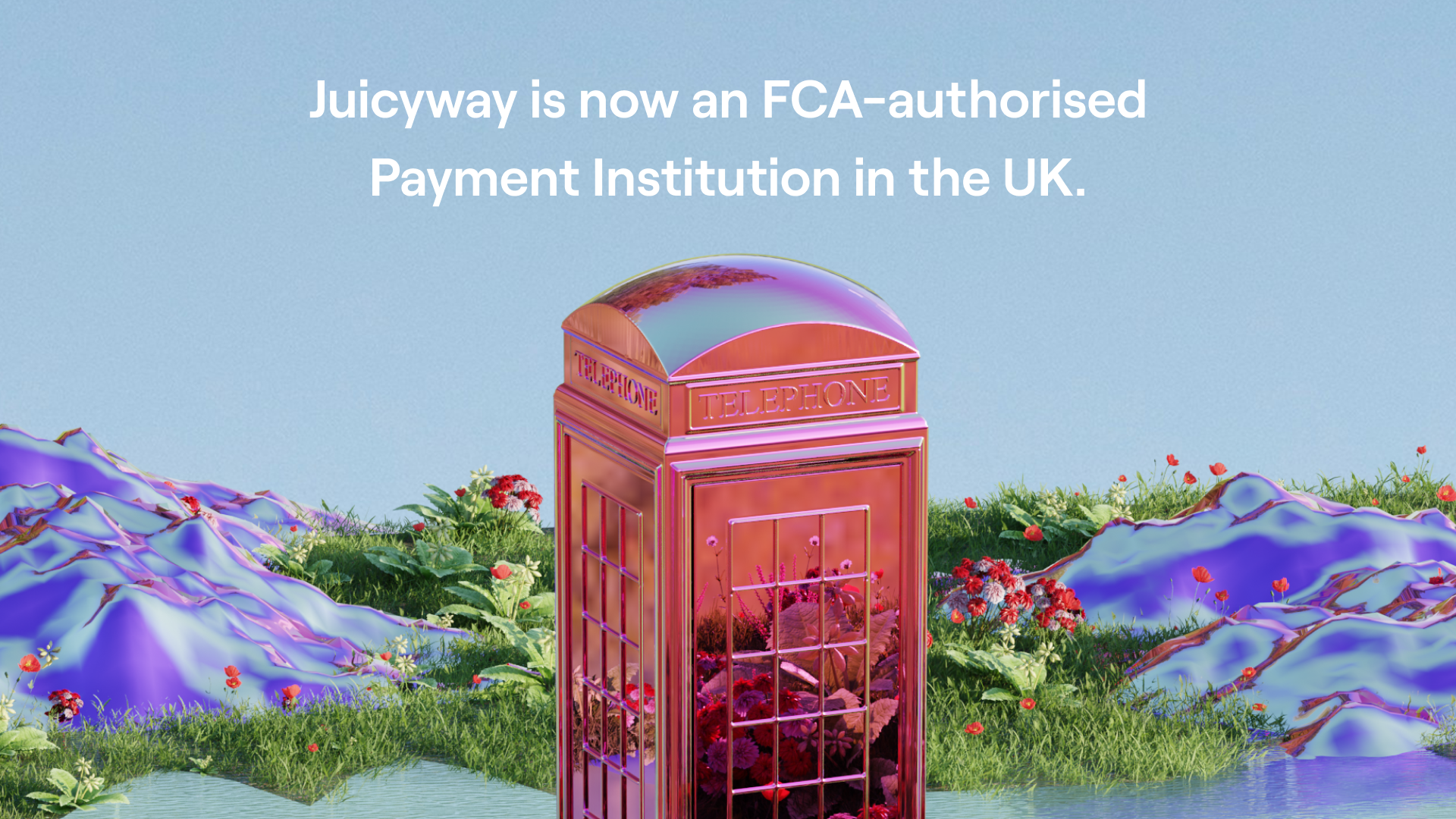
The problem with building on someone else's foundation
There is a version of building a global payments company that is tempting in the early years. You move fast. You use third-party licences to access corridors you haven't yet earned the right to operate in directly. It works. until it doesn't.
When a payment is delayed and you don't own the infrastructure, you are two calls removed from understanding why. When a partner has a compliance issue, it becomes your compliance issue. When you want to improve settlement speeds or reduce fees, you are negotiating with someone else's roadmap.
We have seen what happens to companies that scale on borrowed infrastructure; the fees compound. The opacity becomes a liability. And the users, businesses trying to pay contractors, individuals managing money across borders, absorb the cost of a system that was never built for them.
What the FCA actually is — and why it matters
The Financial Conduct Authority is the UK's primary financial regulator, overseeing roughly 50,000 firms in UK financial markets. The UK's Payment Services Regulations 2017 — the legal framework the FCA enforces - is one of the most comprehensive regulatory frameworks governing payment institutions anywhere in the world.
It covers capital adequacy: how much real money a firm must hold as a buffer. It covers safeguarding: how client funds must be separated and protected if something goes wrong. It covers operational resilience: what systems must be in place to keep payment flows running reliably.
Becoming an Authorised Payment Institution isn't just filling out a form — it requires demonstrating, through evidence and audit, that your organisation has the compliance infrastructure, financial discipline, and operational maturity to be trusted with payment flows in one of the world's most scrutinised financial environments. That process took months. It is now complete.
What this licence actually signals
The significance of this licence operates on two levels.
For the markets we are entering. The UK is one of the most mature financial environments in the world. Operating in it as a regulated entity — not through a workaround, not via a third-party licence — requires meeting a standard that the FCA sets and enforces. Clearing that bar is how serious financial institutions earn the right to operate in serious markets. We have now cleared it for the UK.
For the people and businesses we serve. Regulatory authorisation is how institutions signal they can be trusted with serious money. A company that has passed the FCA's scrutiny has had its controls examined by people whose job is to find the gaps. That is a fundamentally different trust signal than self-declared compliance — and for anyone who moves money across borders, that difference is not abstract.
Licence first. Product second.
This is a regulatory announcement, not a product one. When Juicyway builds toward a full UK presence — the collections, the card flows, the disbursements — those products will sit on licensed infrastructure. The foundation is in place before the house is built, not after.
A fintech that builds first and scrambles for regulatory cover second is a fintech whose product can change or disappear when reality catches up. We are doing it the other way around, and we think that matters for anyone whose money is involved.
The bigger picture
The UK licence is one part of a broader infrastructure build. The people and businesses we serve don't move money in a single corridor — they operate across the UK, North America, Europe, and beyond. Every corridor requires its own regulatory foundation. That work is ongoing.
Our goal is not to be the fastest fintech. It is to be the most trusted infrastructure for global-African finance. Regulatory clarity before product announcements is one of the choices that goal requires.
The rails are being built the right way. More to come.
Frequently Asked Questions
Is Juicyway a UK bank? No. An Authorised Payment Institution is not a bank. We are licensed by the FCA to provide payment services — to initiate and execute transactions, manage accounts, and move money across borders. For most use cases the experience is similar, though the regulatory structure differs from a bank, particularly in how funds are safeguarded.
Does this change my current Juicyway experience? Not immediately. This is a regulatory milestone. Product changes will be announced separately when they are ready and tested.
Why the UK specifically, and why now? The UK is one of the most important financial corridors in the world and one of its most mature regulatory environments. Building a regulated presence there reflects both where global money moves and the standard we want to be held to as a company.
What comes next? More regulatory milestones, then the product announcements that follow from them. We will share updates as each one is confirmed.