


On June 1, 2026, the Central Bank of Nigeria's fourth edition Foreign Exchange Manual took effect, replacing the 2018 version. It eases how individuals hold and move dollars, and it changes how businesses pay for imports and bill for work abroad. If you hold or move dollars between Nigeria and the United States, here is what changed and what it means for you.
The changes at a glance
- Domiciliary account holders now have unrestricted access to their funds.
- Form A is no longer required for remittances made from a domiciliary account.
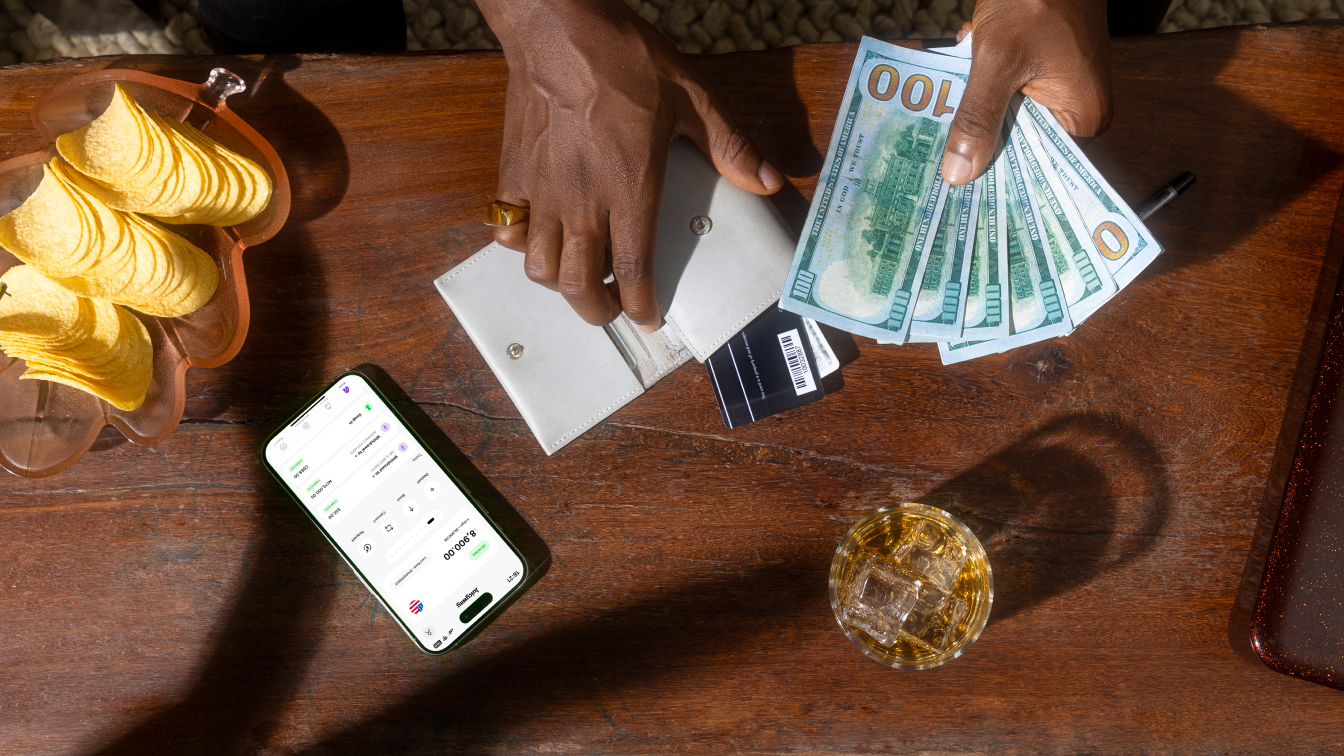
- Travellers can take 25% of their travel allowance in cash dollars; the rest stays electronic.
- Tuition of up to $25,000 per semester is allowed for study abroad, paid directly to the school.
- The advance payment allowed on imports rises from 15% to 30%.
- Form NXP, the export documentation form, is now processed free of charge.
- New provisions cover service exports, PAPSS transactions, and non-resident investment accounts.

What the FX manual is, and why this edition matters
The Foreign Exchange Manual sets out the rules banks and their customers follow for foreign currency transactions in Nigeria: who can hold dollars and how money moves abroad. This is the fourth edition, the first update since 2018, and the Central Bank has presented it as part of a wider effort to make the market more transparent and liquid. Most of the changes loosen restrictions introduced in earlier years.
What it means for you
Holding and accessing your dollars
If you hold a domiciliary account, a bank account denominated in dollars or another foreign currency, you now have unrestricted access to the funds in it. The manual also removes the Form A requirement for remittances funded directly from a domiciliary account. Form A is the approval form for buying foreign currency for transactions such as school fees or medical bills. Dropping it for domiciliary-funded transfers means less paperwork and faster processing.
Taking dollars when you travel
Travellers drawing a Personal Travel Allowance (PTA) or Business Travel Allowance (BTA) can now collect 25% of it in cash dollars, with the remaining 75% loaded electronically to a card. The 2024 rule had required the allowance to be entirely electronic.
Paying school fees abroad
The manual allows tuition of up to $25,000 per semester for undergraduate and postgraduate study abroad, paid directly to the institution. If you support a student in the United States, that covers most semester invoices in a single transfer.
What it means for your business
Paying suppliers abroad
If your business imports goods, you can now pay a larger share of an invoice in advance. The advance payment allowed on imports rises from 15% to 30%, so you can commit more before the goods ship. Form NXP, the form exporters file to ship goods out of Nigeria, is now processed free of charge.
Getting paid for work abroad
The manual adds provisions for service exports, which set out how proceeds come in when you bill clients abroad for services rather than goods. It also brings in PAPSS, the Pan-African Payment and Settlement System, which settles payments between African countries in local currencies, and it adds rules for non-resident investment accounts.
What has not changed
The naira remains legal tender for transactions inside Nigeria, so goods and services between Nigerian parties are still priced and settled in naira. You can also still move up to $10,000 in cash in or out of the country without declaring it.
What this means on the US-Nigeria corridor
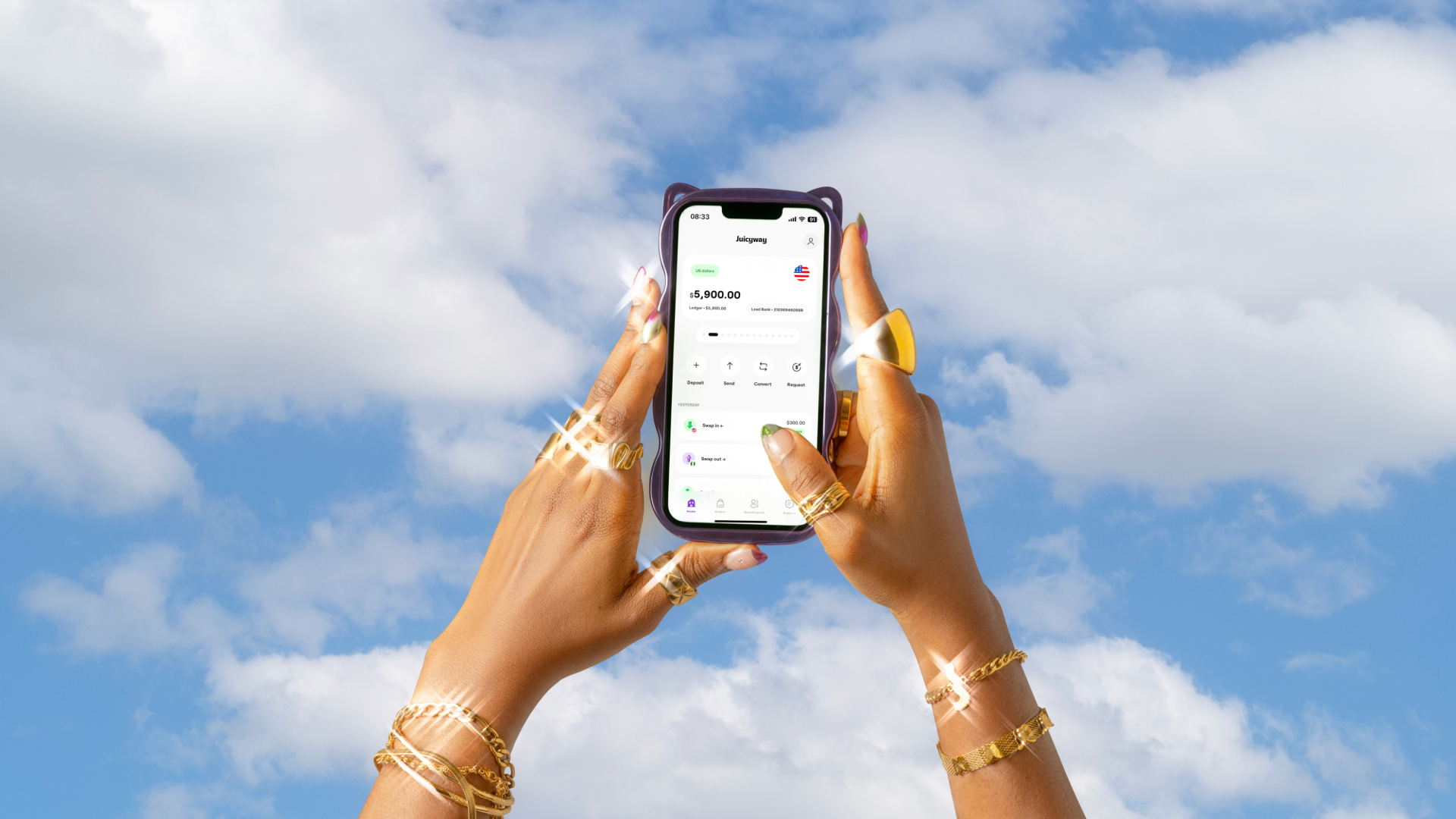
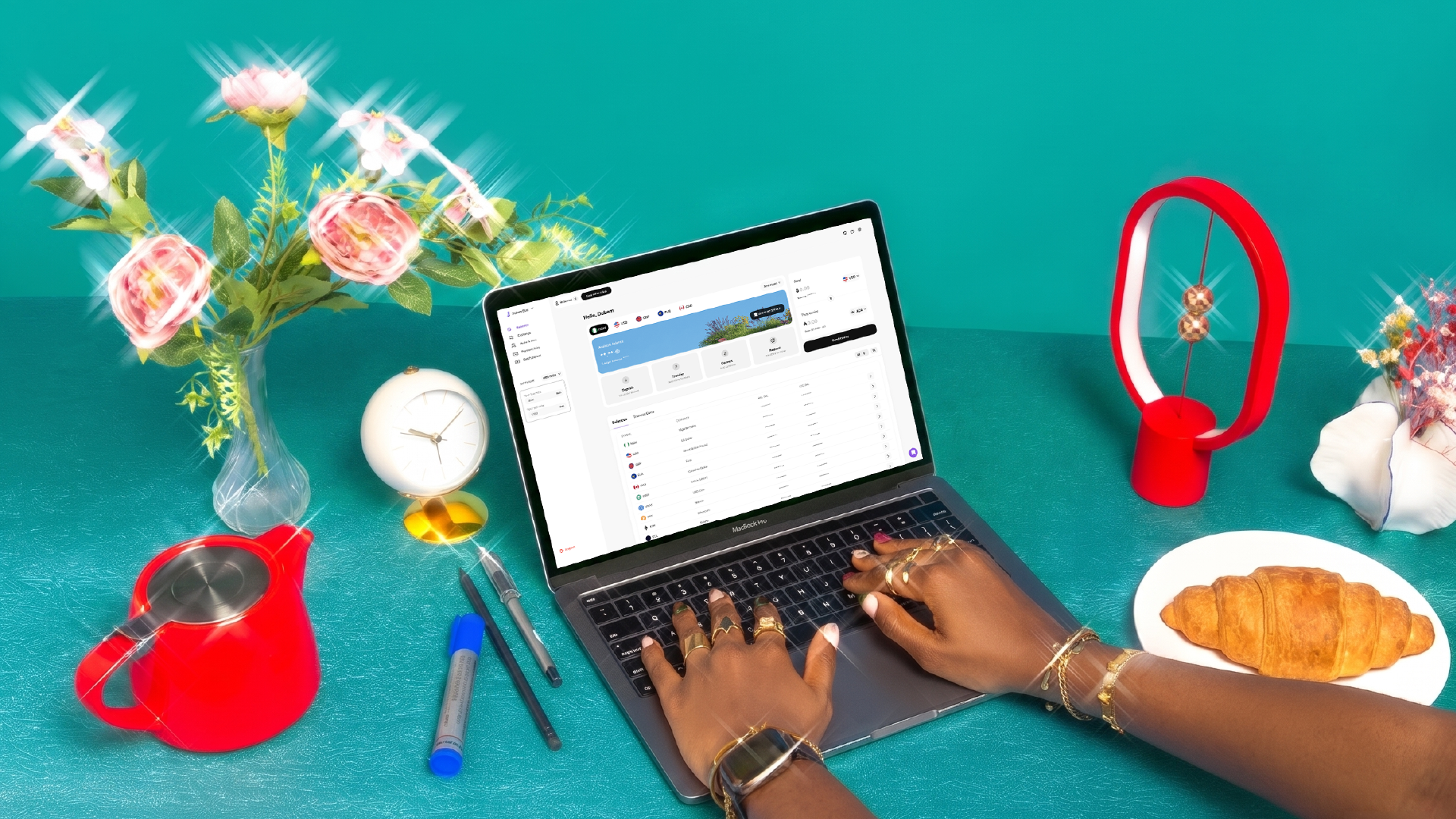
Taken together, the changes make it easier to hold dollars in Nigeria and move them across the corridor with less friction. If you receive dollars from clients or family in the United States, a Juicyway USD account holds them, and you convert to naira at the live rate when it suits you. Businesses hold dollars and naira in one account and set the rate they want with a limit order.
Frequently asked questions
When did the new FX manual take effect?
June 1, 2026. It is the fourth edition and it replaces the 2018 version.
Do I still need Form A?
Not for remittances funded directly from a domiciliary account. Form A still applies to certain purchases of foreign currency through the official market.
How much of my travel allowance can I collect in cash?
Up to 25% in cash dollars. The remaining 75% is issued electronically to a card.
What is the new limit on tuition payments abroad?
Up to $25,000 per semester, paid directly to the school.
How much can my business pay upfront for imports?
Up to 30% of the invoice in advance, up from 15%.
Can I still hold and use a domiciliary account freely?
Yes. The manual gives domiciliary account holders unrestricted access to their funds.